

Overview
For B2B procurement and fleet managers, understanding the technical and maintenance requirements of amphibious excavators is critical for maximizing ROI on river dredging projects. These specialized machines offer unmatched access to challenging terrains, but their unique design requires specific operational knowledge. This FAQ addresses the most common pre-sales and post-sales questions to help you make informed decisions about your heavy equipment fleet.
Frequently Asked Questions
Q1: Why are amphibious excavators essential for river dredging?
Amphibious excavators are essential for river dredging because they are the only equipment capable of operating efficiently in the soft, saturated soils and shallow waters where conventional land-based or floating dredgers fail . Their unique pontoon undercarriage provides the necessary flotation and low ground pressure to work in marshes, wetlands, and shallow waterways without sinking or causing excessive environmental damage . This mobility allows for precision dredging in sensitive ecological zones, enabling projects like flood mitigation, wetland restoration, and channel deepening that would be impossible or prohibitively expensive with traditional methods .
Q2: What is the standard operating weight and max payload of a typical amphibious excavator?
The standard operating weight of an amphibious excavator varies widely by model, ranging from compact 2-ton units to large 40-ton giants . For instance, base machine weights for popular models can be around 30,500 kg, while other configurations reach up to 40 tons (approximately 40,000 kg) . The maximum payload depends on the specific machine and attachment but can include a dedicated dredge bucket or a cutter suction pump for moving large volumes of sediment . Many projects also utilize an amphibious excavator with a minimum required reach at ground level to ensure it can access deep channels .
Q3: What are the engine emissions and compliance standards for these machines?
Amphibious excavators are required to comply with stringent federal emissions standards, primarily the EPA Tier 4 standards for nonroad diesel engines . These regulations strictly limit the emission of nitrogen oxides (NOx), particulate matter (PM), hydrocarbons, and carbon monoxide . A typical emission factor for a 359 HP excavator is 0.010 g/kw-hr for PM . When operating in ecologically sensitive areas like wetlands, projects must also adhere to operational guidelines under federal regulations such as Section 404 of the Clean Water Act .
Q4: What attachments are compatible with amphibious excavators for dredging?
Amphibious excavators are highly versatile and compatible with a wide range of attachments specifically designed for dredging and environmental maintenance. Standard and most common is the dredge bucket excavator, used for scooping silt, mud, and vegetation . For more demanding tasks, they can be equipped with a hydraulic cutter suction pump to handle tough sediments, as well as flail mowers and hydraulic shears for clearing vegetation and debris .
Q5: What is the recommended maintenance interval for an amphibious excavator?
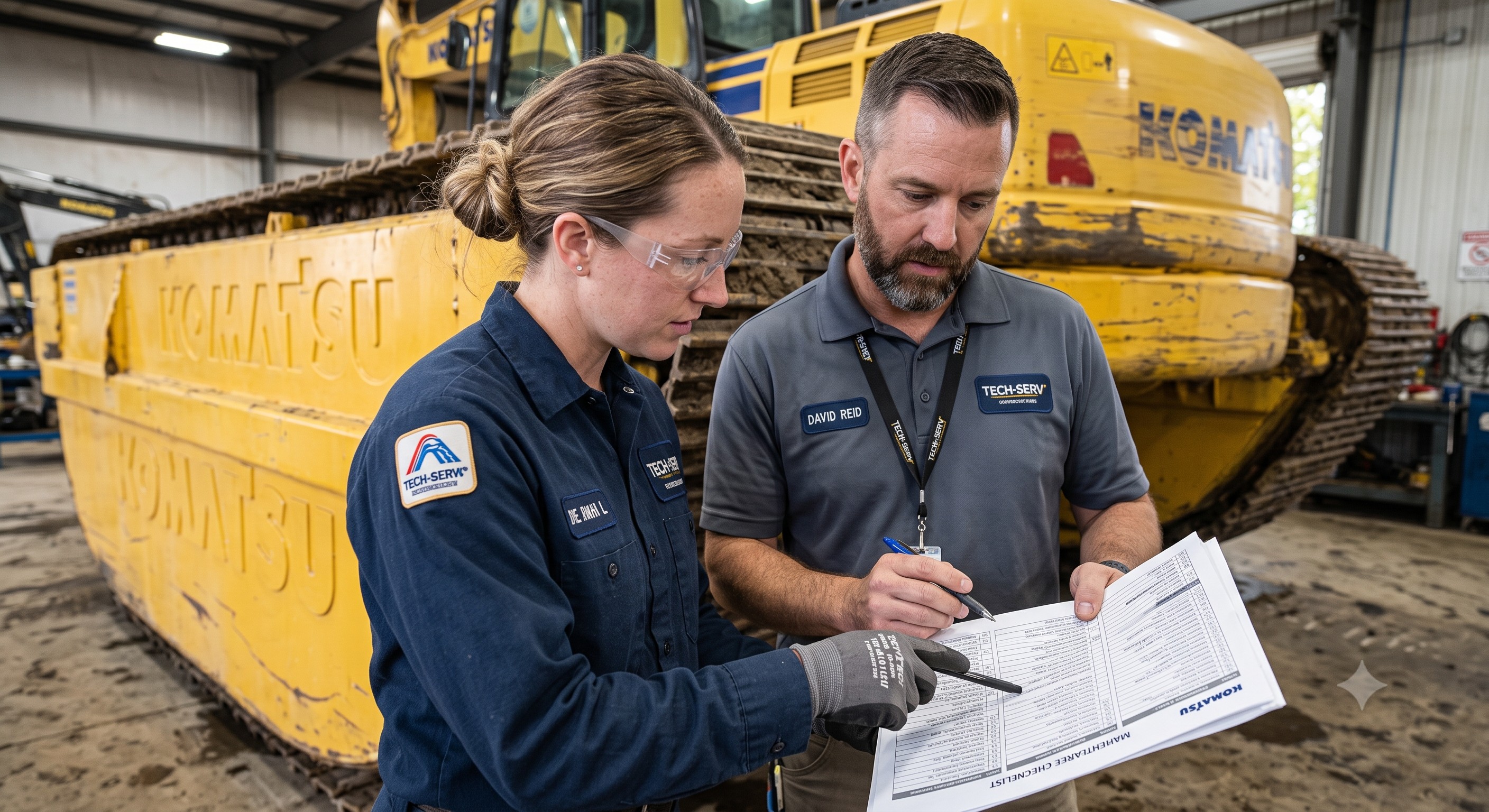
The recommended maintenance intervals for an amphibious excavator are structured by service hours, starting with daily checks (10 hours) and extending to major overhauls at 4,500 hours . Daily maintenance includes engine oil, hydraulic fluid checks, and lubricating pivot pins . Weekly maintenance (50 hours) focuses on greasing joints and draining fuel tank contaminants . Quarterly (500 hours) and semi-annual (1,000 hours) service intervals are crucial for replacing filters, changing engine oil, and inspecting structural components like the pontoons .
Q6: How often should hydraulic fluid be replaced in an amphibious excavator?
Hydraulic fluid should be replaced as part of the annual service interval, typically at every 2,000 operating hours, following the manufacturer's standard schedule . During this major service, the hydraulic oil is drained and replaced, and the exchange and suction filters are thoroughly cleaned . Regular monitoring of fluid levels and inspection of hoses for wear is also critical on a daily basis to prevent system failure .
Q7: Where can I find genuine spare parts for my amphibious excavator?
Genuine spare parts for amphibious excavators are best sourced directly from the Original Equipment Manufacturer (OEM) or through their authorized dealers to ensure proper fit, performance, and warranty compliance . Using OEM-spec fluids and parts is critical for maintaining the machine's integrity and avoiding costly downtime . It is recommended to consult the specific service manual for your machine to identify the correct part numbers.
Q8: What is the typical service life of an amphibious excavator with proper maintenance?
With a rigorous and consistent maintenance program, an amphibious excavator can have a productive service life of at least 8 to 9 years . Proper maintenance not only extends the machine's lifespan but can also reduce fuel consumption by up to 15% and significantly increase its resale value . Following the OEM’s preventive maintenance schedule is the most effective way to achieve this longevity and maximize your return on investment.