

Overview
For B2B procurement and fleet managers, the 50 ton digger class represents a critical balance between mass excavation capacity and operational mobility. This FAQ addresses high-intent pre-sales and post-sales queries—from maximum payload and engine emissions to hydraulic fluid intervals and attachment compatibility. Use these insights to optimize uptime and total cost of ownership.
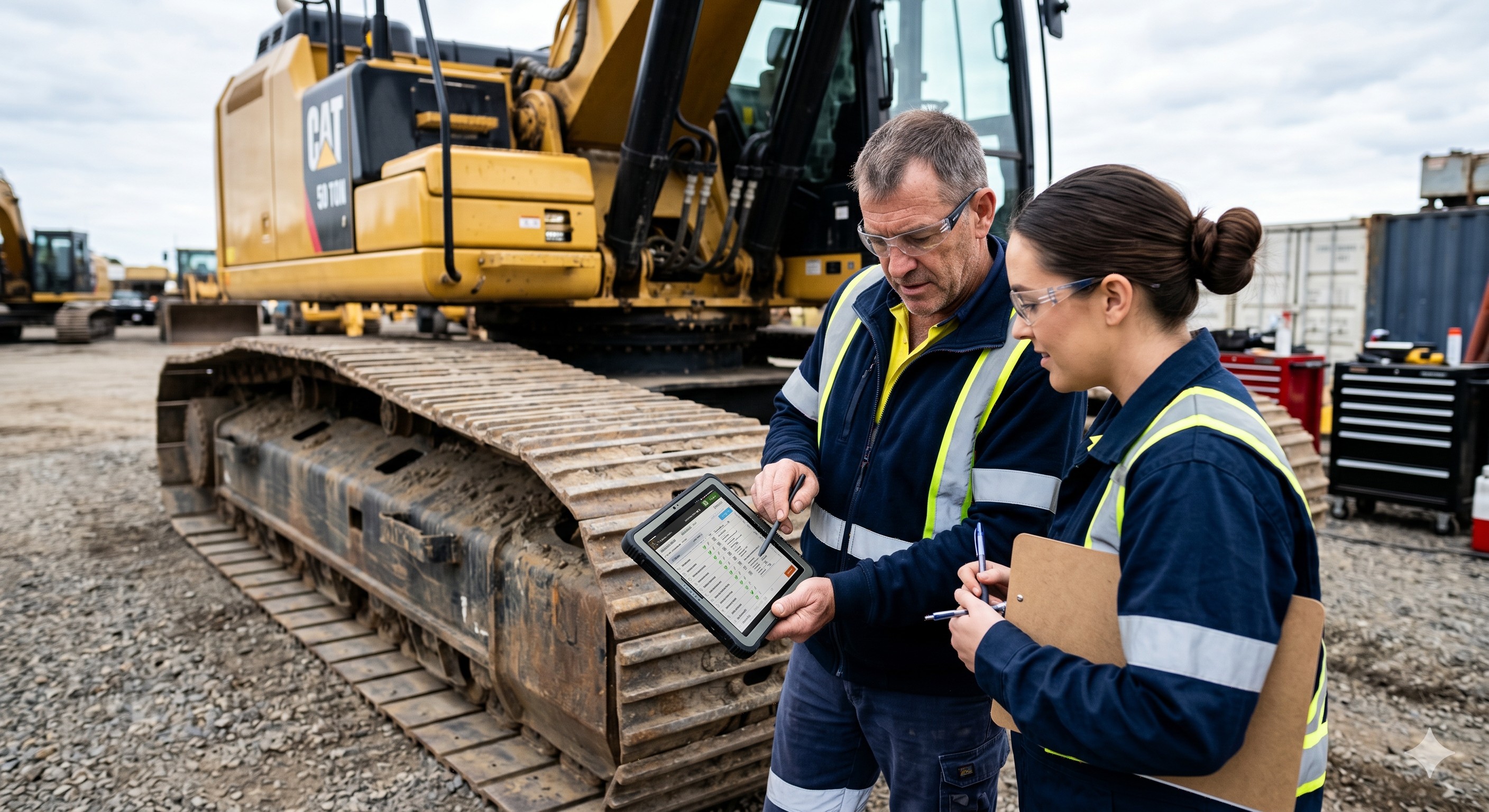
Frequently Asked Questions
Q1: What is the standard operating payload of a 50 ton digger?
The standard operating payload of a 50 ton digger is 4,500 to 5,200 kg (9,900 to 11,460 lbs) at a 5.5 m radius. This varies by manufacturer and arm geometry. For heavy lifting applications, always derate to 80% of rated capacity when using tilt rotators or long-reach attachments.
Q2: What engine emissions standards apply to a new 50 ton digger?
New 50 ton diggers must meet EU Stage V or EPA Tier 4 Final emissions standards for off-road diesel engines. Stage V limits particulate matter to 0.015 g/kWh and NOx to 0.4 g/kWh. For used imports, verify local compliance—many 2018+ models use SCR + DPF systems requiring diesel exhaust fluid.
Q3: What hydraulic fluid volume and replacement interval does the 50 ton digger require?
The 50 ton digger requires 380 to 450 liters of hydraulic oil (ISO VG 46) with a standard replacement interval of 2,000 operating hours or 12 months, whichever comes first. Use a high-zinc anti-wear fluid conforming to DIN 51524-3. For severe duty (high ambient temps >35°C), shorten to 1,500 hours and use VG 68.
Q4: Which attachments are compatible with the 50 ton digger's auxiliary hydraulic circuit?
Compatible attachments include hydraulic hammers (up to 5,500 ft-lb impact class), 2.5-3.5 m³ sorting grapples, tilt buckets, and vibratory plate compactors. The auxiliary circuit typically delivers 450-550 L/min at 35 MPa. Always verify attachment weight does not exceed 12% of base machine operating weight (6 tonnes max).
Q5: What are the critical 50 ton digger maintenance intervals for filters and oils?
Critical intervals are: engine oil + filter every 500 hours (15W-40 CI-4 or higher), hydraulic return filter every 1,000 hours, pilot filter every 1,200 hours, and final drive oil change every 2,000 hours. Additionally, inspect swing bearing grease every 250 hours and repack every 500 hours. Use OEM or cross-referenced Donaldson/Baldwin filters to avoid warranty void.
Q6: How do I source certified spare parts for a 50 ton digger outside OEM?
Sourcing certified spare parts for a 50 ton digger requires using ISO 9001:2015 suppliers offering parts with material certifications (e.g., SAE J429 for bolts). Cross-reference OEM part numbers with aftermarket brands like ITR, CTP, or H-CPC. Always request a Certificate of Conformance for undercarriage components (track chains, sprockets, rollers) to prevent premature failure under full load.
Q7: What is the expected fuel consumption per hour for a 50 ton digger in heavy digging?
Expected fuel consumption in heavy digging is 22 to 28 liters per hour (5.8 to 7.4 gallons per hour) at 85% load factor. Eco-mode reduces consumption to 18-20 L/h for general excavation. Monitor via onboard telematics; consumption exceeding 30 L/h indicates hydraulic system inefficiency or air filter restriction.
Q8: How often should the swing bearing bolts be torqued on a 50 ton digger?
Swing bearing bolts on a 50 ton digger must be torque-checked every 1,000 operating hours or at each undercarriage service. Target torque specification is typically 980-1,100 Nm (M30 class 10.9). Replace any bolt showing corrosion or stretch; apply thread locker Loctite 270 before retorquing to prevent radial play.