

Overview
Welcome to our technical FAQ for the versatile 0.3m³ bucket Wheel Loader. This guide addresses the most critical pre-sales and post-sales questions from B2B procurement and fleet managers. From understanding engine power and load capacity to mastering maintenance intervals and attachment compatibility, we provide definitive, expert answers to help you optimize equipment performance and longevity.
Frequently Asked Questions
Q1: What is the standard operating capacity of a 0.3m³ wheel loader?
The standard operating capacity for a 0.3m³ wheel loader is rated at approximately 900 kg (about 1984 lbs) . This carrying capacity is designed to work in tandem with the 0.3 cubic meter bucket for optimal loading and transport of bulk materials like sand, soil, or gravel . For safety and machine longevity, it is critical to avoid overloading the bucket beyond this rated payload.
Q2: What is the typical engine power and emission standard for this loader?
A typical 0.3m³ wheel loader is powered by a diesel engine with a rated power of around 38 kW . The engine speed is usually rated at approximately 2400 r/min to provide the necessary torque for heavy-duty starts and challenging conditions . When procuring, ensure the engine meets your local emission regulations, as modern models often comply with stringent Tier 4 standards and require specific, low-ash engine oil to protect the after-treatment system .
Q3: What attachments are compatible with a 0.3m³ wheel loader?
The 0.3m³ wheel loader is highly versatile and compatible with several attachments, including standard and heavy-duty buckets, pallet forks, and other specialized tools . Daily visual inspection of the attachment cutting edges, hoses, tilt, and lift cylinders is essential to maintain peak performance . Ensure you use a quick coupler system designed for this size class for efficient attachment changes.
Q4: How often should maintenance be performed on a 0.3m³ wheel loader?
A 0.3m³ wheel loader requires a comprehensive daily maintenance schedule to ensure safety and productivity . This daily routine should include a visual inspection for leaks or damage, checking fluid levels (engine oil, hydraulic fluid, coolant), inspecting tire pressure and condition, and checking the battery . In addition to daily checks, periodic maintenance like changing engine oil, hydraulic fluid, and filters must be performed according to the manufacturer's specific intervals to prevent downtime .
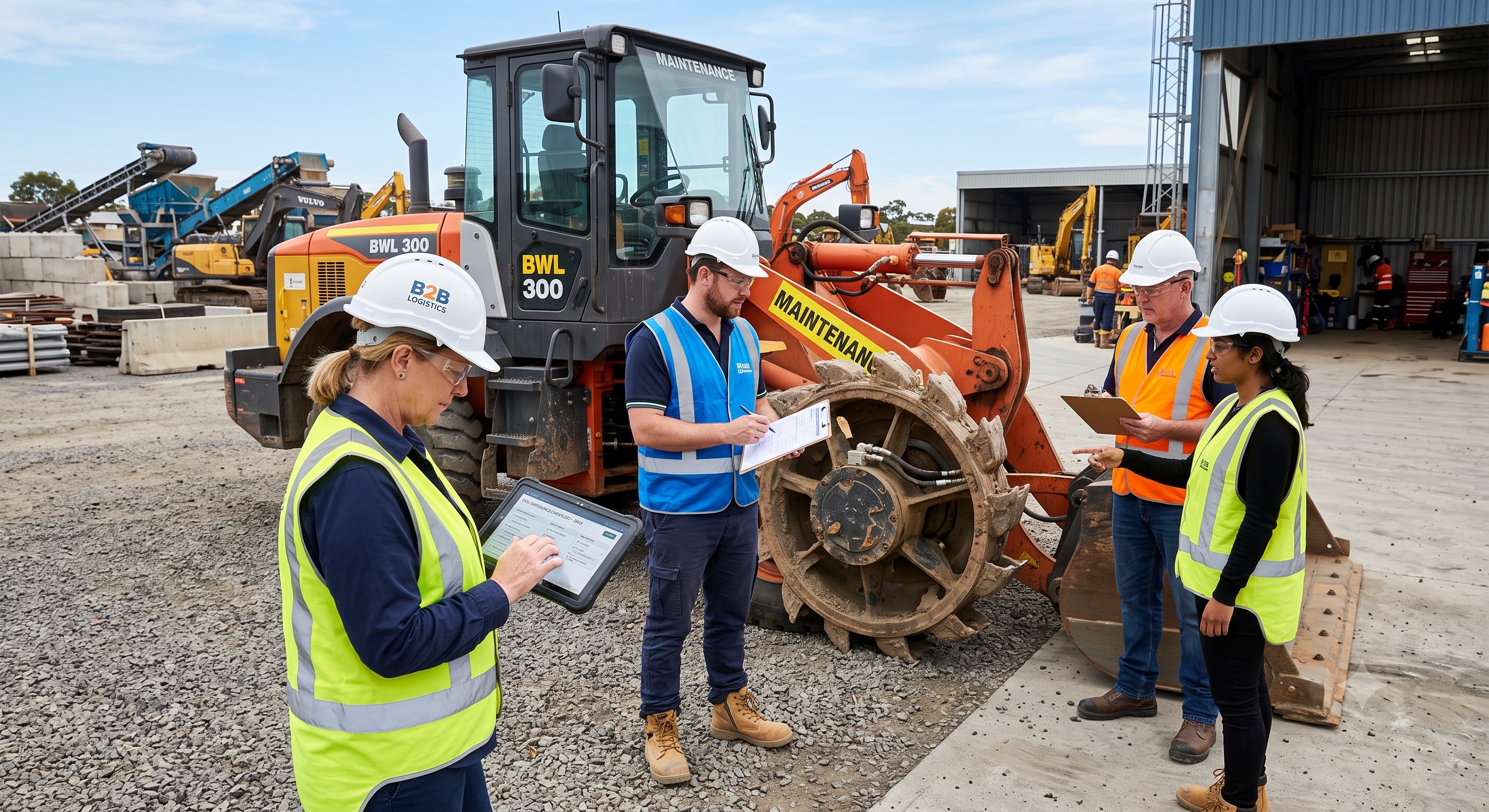
Q5: What should a daily visual inspection cover for this wheel loader?
A daily visual inspection is mandatory and must follow a systematic, ground-up approach . First, perform a visual check of the bucket or attachment for loose, cracked, or missing teeth and check the condition of the cutting edge and wear plates . Next, inspect the tires for cuts, bubbles, and proper inflation, then check the engine compartment for fluid levels . Always remember to park the machine on level ground, lower the bucket, turn off the engine, remove the key, and attach a 'Do Not Operate' tag before performing any inspection .
Q6: What are the key specifications for the hydraulic system and tires?
The hydraulic system powers the loader's movement, so it is crucial to check fluid levels daily and inspect hoses for leaks or damage . The standard tire size for this loader class is typically 750-16, and proper inflation is critical to prevent premature wear or failure . Always maintain the correct tire pressure and check the rims and lug bolts for damage or looseness .
Q7: What are the dimensions and turning radius of a 0.3m³ wheel loader?
Typical dimensions for a 0.3m³ wheel loader are approximately 4250 mm in length, 1410 mm in width, and 1575 mm in height, making it ideal for confined spaces like warehouses . The wheelbase is often around 1970 mm with a wheel track of 1120 mm, providing a minimum turning radius of about 2850 mm . This compact design allows for exceptional mobility and accessibility in crowded job sites or narrow aisles.
Q8: What is the maximum dump height and reach of this machine?
The maximum dump height for a 0.3m³ wheel loader is typically around 2400 mm (2.4 meters) . At this height, the dump reach is approximately 400 mm, which is sufficient for loading medium-sized trucks . This configuration ensures materials are cleanly and neatly unloaded into the target container, reducing spillage and improving worksite safety.